Filmroom
CGI product animation for products that aren't made yet
Pre-orders open in a month. The first production samples arrive in three. You need launch imagery now, of a product nobody can photograph yet, and it has to look real enough to sell from.
When CGI is the right choice
CGI is the only option when the product doesn't physically exist: a pre-production model, a colourway still being made, a variant that is waiting on tooling. It is also the better option when you need to show something a camera can't, such as the inside of a mechanism, a cross-section, a product assembling itself, or a finish that is hard to light.
It pays off for ranges too. A product that comes in twelve colours needs twelve photographs, or one accurate 3D model rendered twelve times.
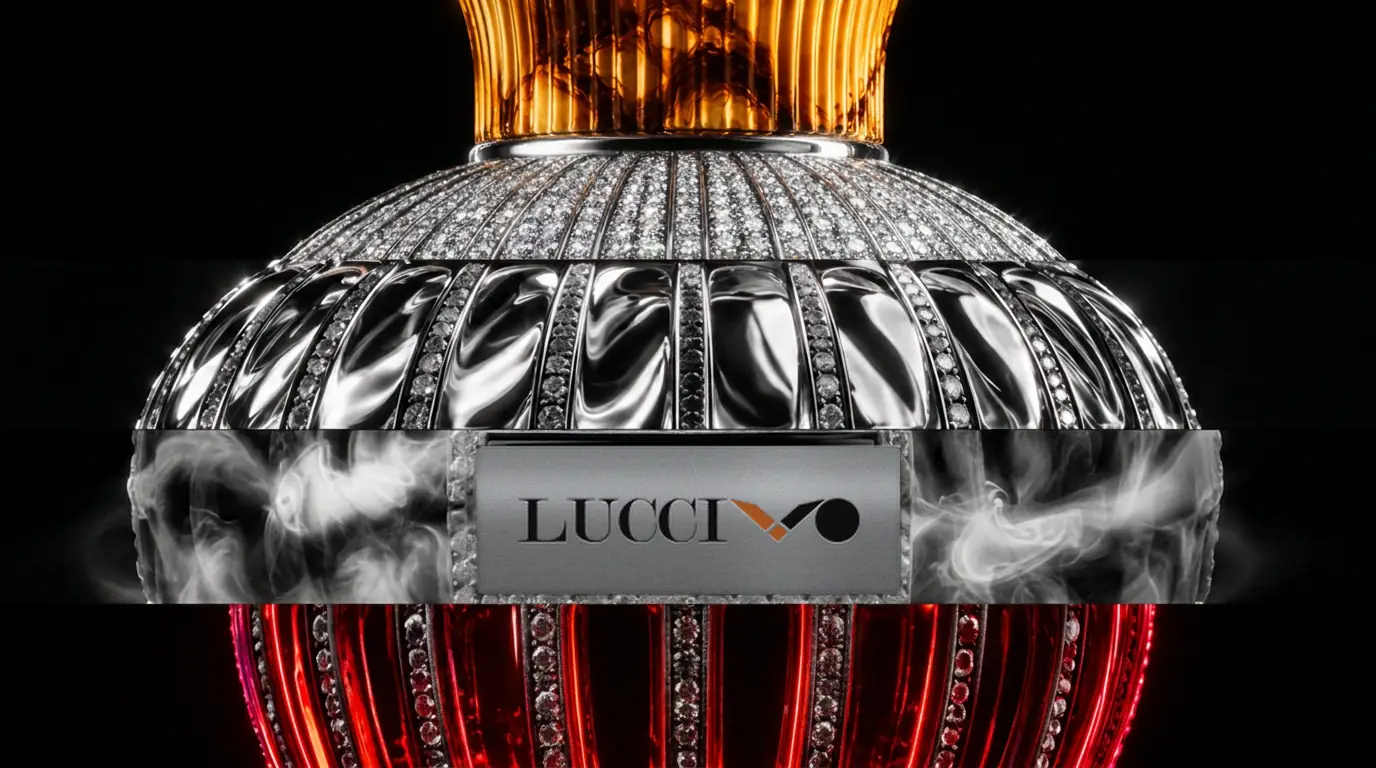
It also helps when a product is awkward to photograph: very reflective, very small, very large, or too fragile or valuable to send around. It never scratches or needs a courier, and it can be lit from any side.
Built from real geometry
A render is only as accurate as the geometry behind it. The work runs from CAD files or drawings, to a 3D model, to materials and textures, to lighting, to rendering, to a final composite and grade. If the model is guessed from photographs, proportions drift and the finished product won't match what was shown.
Our renders are locked to drawings of the product itself. Visualisation is AI-accelerated to get quickly from brief to image, but the shape comes from the drawing, never from a guess. That is what lets a render stand in for a photograph without embarrassment when the real thing arrives.
One model, many outputs
The expensive step is building the model and its materials. After that, a new angle, a new background, a new colourway or a new aspect ratio costs a fraction of the first image. From one model you can have packshots, lifestyle scenes, a 360-degree spin and a full product animation.
Animation adds movement and time: the product turning, opening, pouring or coming apart and going back together. It is usually dialogue-free and short, which is different from an explainer video, where a script and voiceover lead the pictures. We will tell you which one your brief really needs.
Files are delivered as stills in every size you need and as animation cut to each channel's length and shape, with the model kept on file so the next colourway or next season's range starts from where this one finished.
Mixing CGI with photography
Many launches now blend the two. The hero lifestyle image is photographed, and the colourways and variants are rendered to match it, or a real set is shot and the product is rendered into it. Because film, photography and CGI are planned together here, the lighting and colour are matched from the start.
When samples do arrive, the renders can be checked against them, and any difference in finish can be corrected in the model.
About cgi product animation
Can CGI product animation be built from our CAD files?
Yes, and that is the best starting point. CAD gives exact geometry, so the render matches the product that will be made. Where there is no CAD, we work from technical drawings, and we never model from guesswork alone.
What makes a CGI product render look fake?
Usually the materials and the light rather than the shape. Surfaces that are too clean, reflections that don't match the room and edges that are impossibly sharp give it away. Matching finishes to real swatches and lighting it like a photograph is what makes it read as real.
How much does CGI product animation cost compared with a photoshoot?
CGI cost depends on complexity more than on a straight comparison with photography. Building the model and its materials is the expensive step. After that, extra colourways, angles and stills cost a fraction of the first image, while animation takes longer to render and refine. CGI usually works out better value for a range with several variants, or for a product that doesn't exist yet.
Send us the shot list you have, or the CAD file if the product isn't made yet.
Either is enough to start. The reply sets out how the film, the stills and the renders fit together for your launch.
info@stillroomcreative.com